How designer toys became cultural objects, not just collectibles
From blind boxes to artist collaborations, collectible figures have become a language of identity, taste and community.
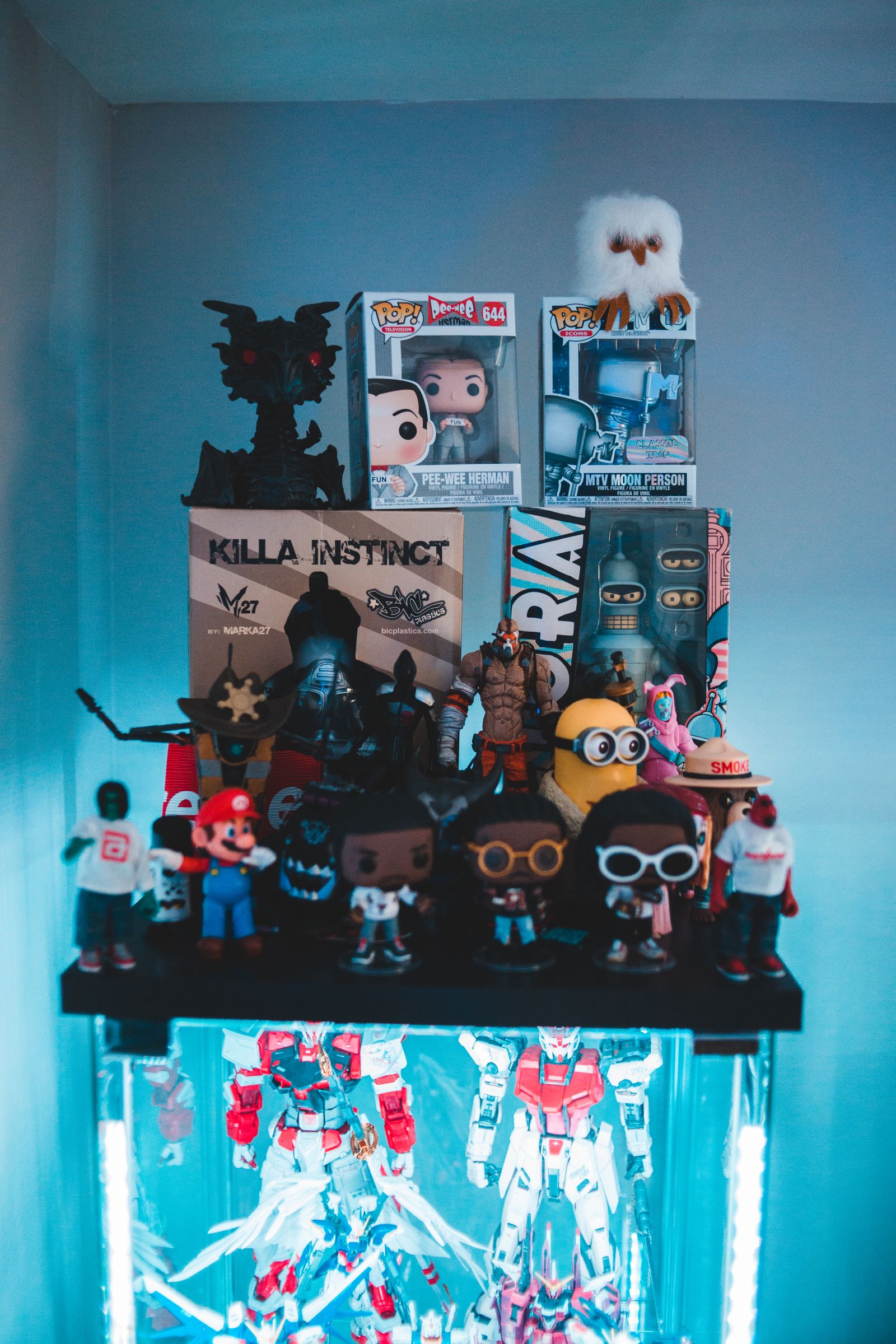
Collecting has always been about more than ownership. The newest generation of designer toys makes that especially visible: the object is small, but the culture around it is enormous.
Why this matters now
What changed was not only the product. Distribution, artist collaborations, limited drops and social media transformed figurines into cultural signals. A shelf can now function like a playlist — a compact expression of taste and affiliation.
The interesting part is how quickly the category crossed borders. A character designed for one market can become a global visual language within months, carried by collectors rather than traditional advertising.
“The most interesting parts of the web often begin outside the biggest platforms.”
Part of a wider network
WebPageMonitor follows the places, communities and digital brands that make the internet more useful, distinctive and worth exploring.